Edward Dimnent
 Dr. Edward Dimnent was the 5th president of Hope College (1918-1931) and a graduate of the class of 1896. Dimnent Chapel was named after him when it opened in 1929 and is still in use today.
In the closing months of World War I, under Dimnent's presidency, the college hosted a unit of the Student Army Training Corps, helping to fill and support the war-depleted campus. For the first time, Hope charged tuition (starting at $35 per year in 1920). He lead the effort to construct the Memorial Chapel and he paid off the remaining debt himself when the Great Depression hit.
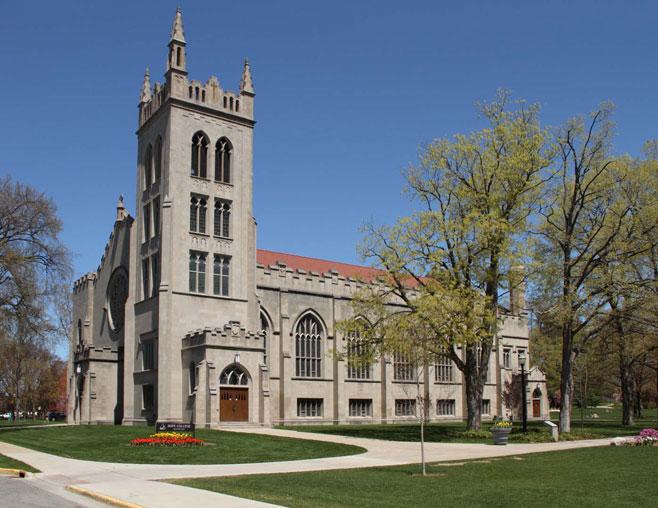
Dimnent Chapel of Hope College. Image courtesy of hope.edu.

The grave of Edward Dimnent
Manley and George Howard
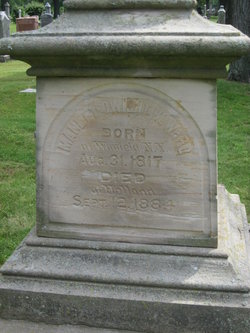 Manley Howard came to Holland from Ann Arbor, Michigan. Howard was a lumberman, realtor, justice of the peace and founder of the Episcopal church in Holland. He and his family lived where the Tower Clock is today. A wealthy man when Holland burned in 1871, he (with help from some boatmen and a raft) took his family, furniture (including a piano), across the lake, near where the Black River Bridge is now. He bought all the property north of Quincy and east to the present highway, and west to Aniline Ave. He also built a mansion and named the street after himself. He never lived again in Holland.
His son, George, is also buried in this plot. George is credited with carrying at least a dozen women and children to safety during the devastating fire of October 8th, 1871. When the alarm sounded on Sunday, Oct, 8, George grabbed 14 spades and gave them to residents, pleading with them to throw sand on the spreading brush fire. But Howard said, "The people refused to work because it was Sunday, and it was wrong to work on a Sunday."
Dr. John B. Nykerk
Dr. John Nykerk was a Hope College professor who taught English and directed musical groups. His specialty was Shakespeare, Browning, and Tennyson. Alfred Lloyd Tennyson, a poet of the Realism movement of the mid-19th century, whose criticism of the Industrial Revolution was characteristic of many Realist authors and poets who often described the extreme poverty and harshness of industrial life, was especially important to Nykerk. He was reported to have often said that, “Good poetry died when Tennyson died.”. While studying at Oxford on his first journey, Nykerk had the great privilege and honor to study literature under Tennyson’s nephew-in-law Dr. R.A Pope.
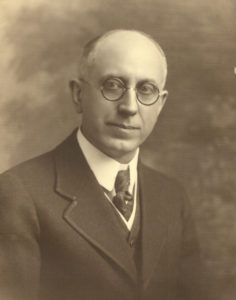
Dr. John B. Nykerk
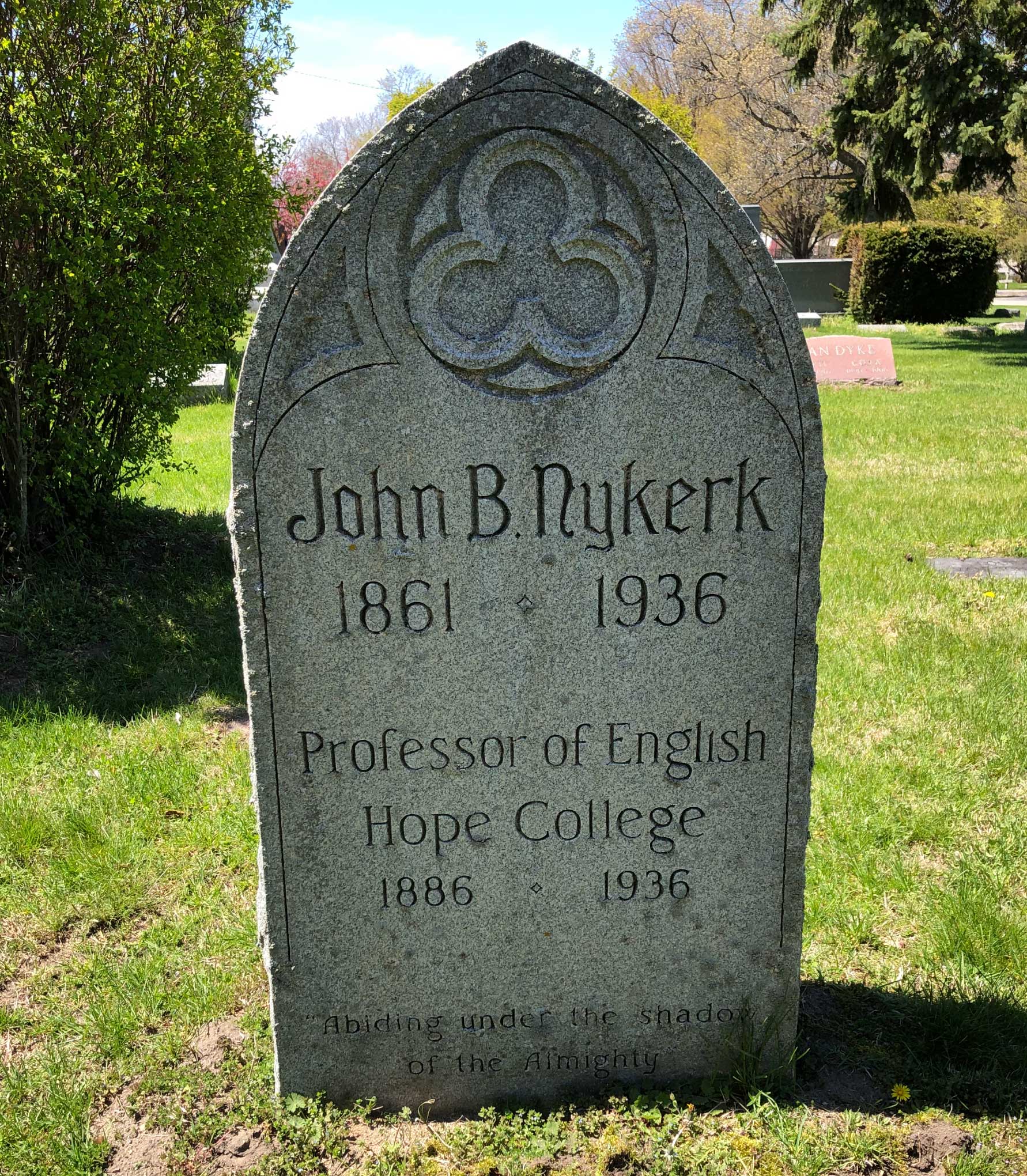
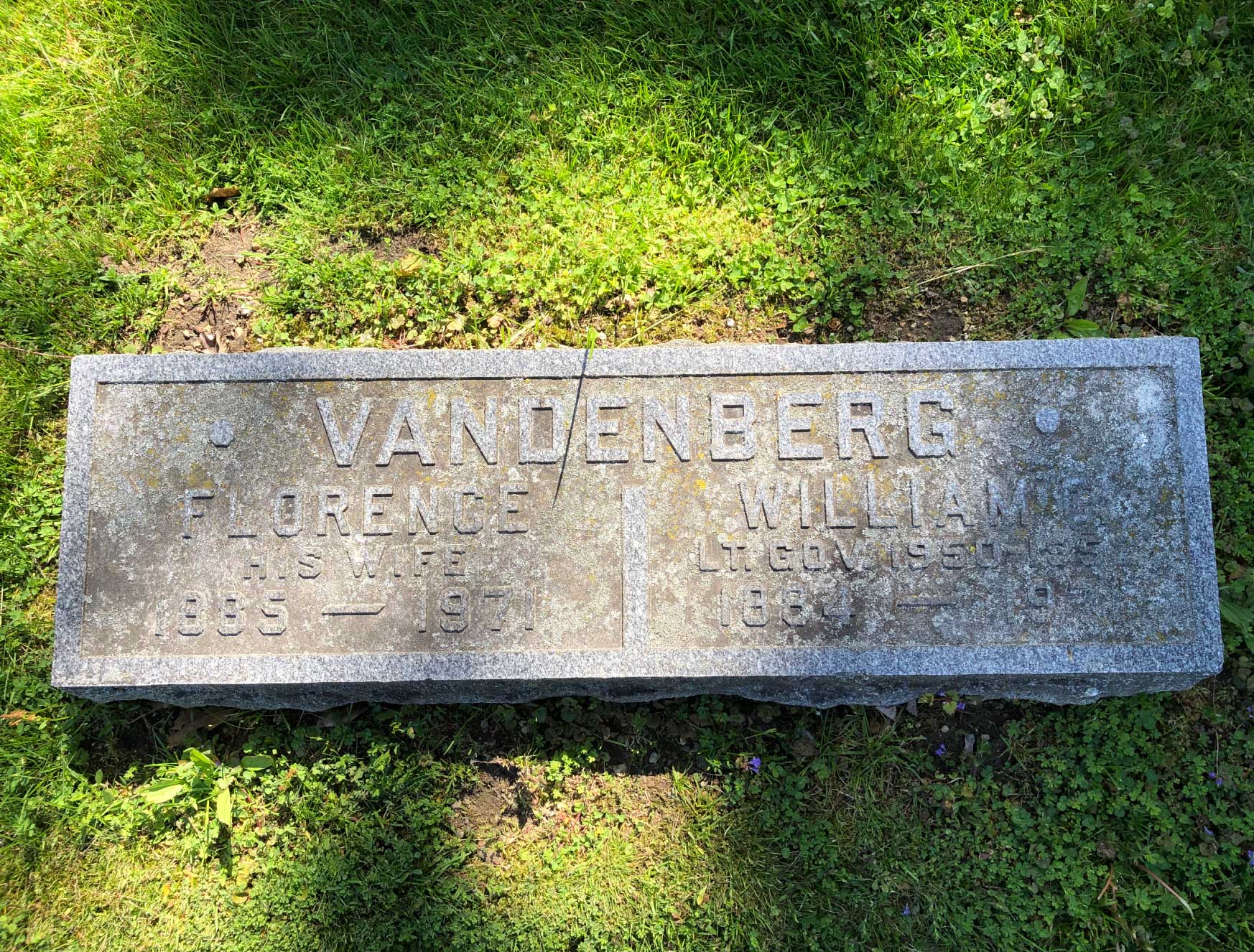
William C. Vandenberg
William C. Vandenberg was a prominent member of the Holland community. Born in Holland on October 3rd, 1884, Vandenberg spent most of his life here. He became involved in the oil business in 1919, building the Windmill Gas Station across from Harrington School. The station has since been demolished.
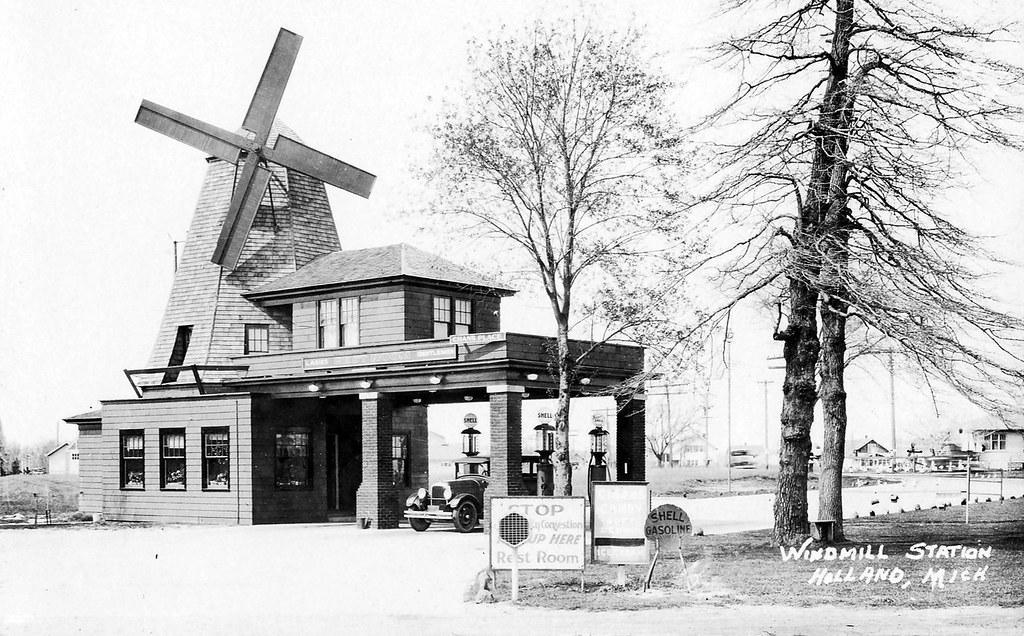
Windmill Station, Holland, Michigan
Dr. Henry Kremers
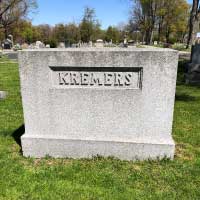
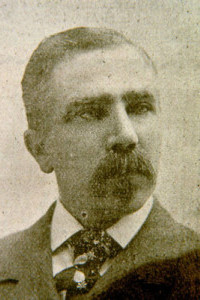 From 1882 to 1914, Dr. Henry Kremers provided medical care to the residents of Holland. The respected physician was committed to serving the city’s Civil War veterans and its impoverished men, women, and children. Throughout his career, Kremers advocated for the establishment of a public hospital in Holland. In 1916, two years after Kremers’ death, the Holland City Council established the Holland Hospital Association and launched a campaign to raise $15,000 for a public hospital. William Kremers, eldest son of Henry and Alice, proposed the Kremers 1888 home, located at the corner of 12th Street and Central Avenue, as the site. He offered to sell his family home to the city for $15,000 and on behalf of his late father, also made a $5,000 donation to the Holland Hospital Association, reducing the cost of the Kremers estate to $10,000. The Kremers family’s generosity made it possible for the City of Holland to establish Holland Hospital. The house served as a hospital from 1917 to 1928. The building is now the Centennial Inn but also served as the Netherlands Museum for more than fifty years.

The Kremers House served as a hospital from 1917-1928.